Boston and the National Shrine of Divine Mercy (Stockbridge MA)
Massachusetts
May 5 – 6, 2026
$495
The Catholic History of Boston, Massachusetts
Once one of the most anti-Catholic cities in colonial America (founded in 1630 by English Puritans who were fiercely anti-Catholic), Boston became the heart of American Catholicism by the early 1900s.
Catholicism was illegal in the Massachusetts Bay Colony until the American Revolution, and even after that the state constitution discriminated against Catholics. The first public Mass in Boston was not celebrated until 1788, after Massachusetts ratified the U.S. Constitution and religious liberty improved.
Small numbers of Irish immigrants (predominantly Catholic) begin arriving in Boston from 1845–1855, driven from home by The Great Famine (An Gorta Mór), swelling the population from just a few hundred to over 50,000. In 1788, Cross Church (later Cathedral of the Holy Cross) was dedicated in a small building. St. Augustine’s (South Boston), Saint Mary’s (North End), and other churches were built during this time for Irish immigrants.
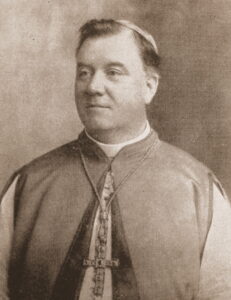
William H. O’Connell (1907–1944): The most powerful Catholic prelate in America during his era. Known as “Number One” and “Gangplank Bill” (from his many trips to Rome).
There was an Anti-Catholic Backlash in 1834, notably the burning of the Ursuline Convent in Charlestown by a Protestant mob. The rise of the Know-Nothing (American) Party (whose members were anti-immigrant and anti-Catholic, driven by nativist sentiments and fears that new immigrants, particularly from Ireland and Germany, would influence American politics and culture), which dominated Massachusetts politics, and anti-immigrant laws. Despite hostility, the Catholic community grew rapidly.
The Catholic Church became the largest single denomination in Massachusetts by the 1850s.The Era of Great Archbishops (1866–1944) Boston produced several of the most powerful and influential Catholic leaders in U.S. history: John J. Williams (1866–1907), First Archbishop of Boston, oversaw massive church-building campaign.
At its height (roughly 1930–1960), the Archdiocese of Boston was arguably the most influential in the United States, with over 400 parishes, many with their own elementary school as well as institutions of higher educations such as Boston College, Boston College High, Catholic Memorial, Archbishop Williams, etc.
Catholic hospitals were also established: St. Elizabeth’s, Carney, St. Margaret’s, Holy Ghost (now closed).
Although Irish dominated, there were large French-Canadian, Italian, Polish, Lithuanian, and Portuguese parishes.
Irish Catholics dominated Boston city politics from the 1900s (John F. “Honey Fitz” Fitzgerald, James Michael Curley) through the 20th century.
May 5 – Cleveland to Boston, morning flight
- Our Lady of Perpetual Help Basilica
- Cathedral of the Holy Ghost
Lunch Break
- Madonna Queen of the Universe Shrine
- St. Clement Eucharistic Shrine
- St. Anthony Shrine
Dinner at Hotel
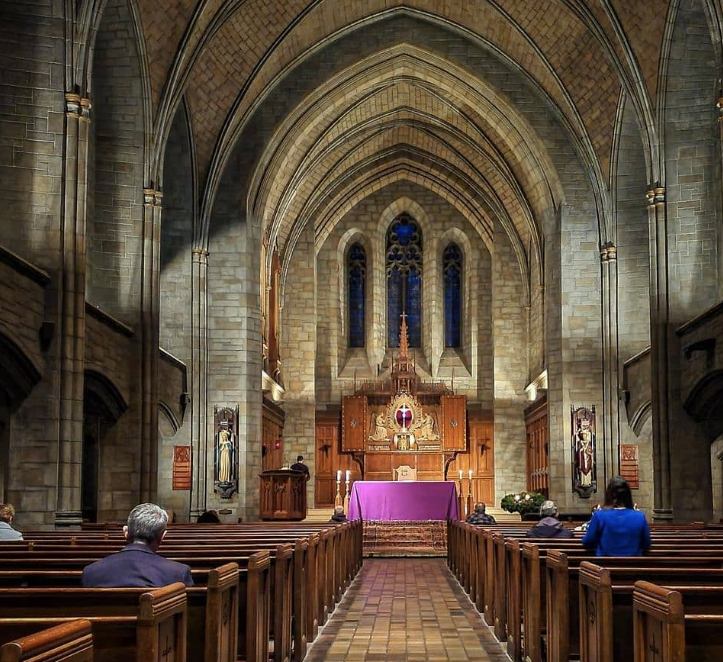
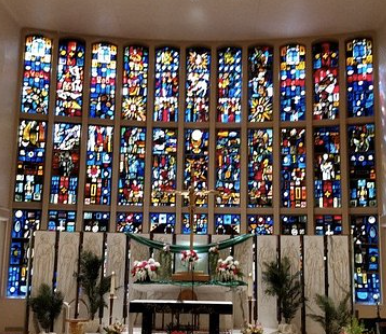
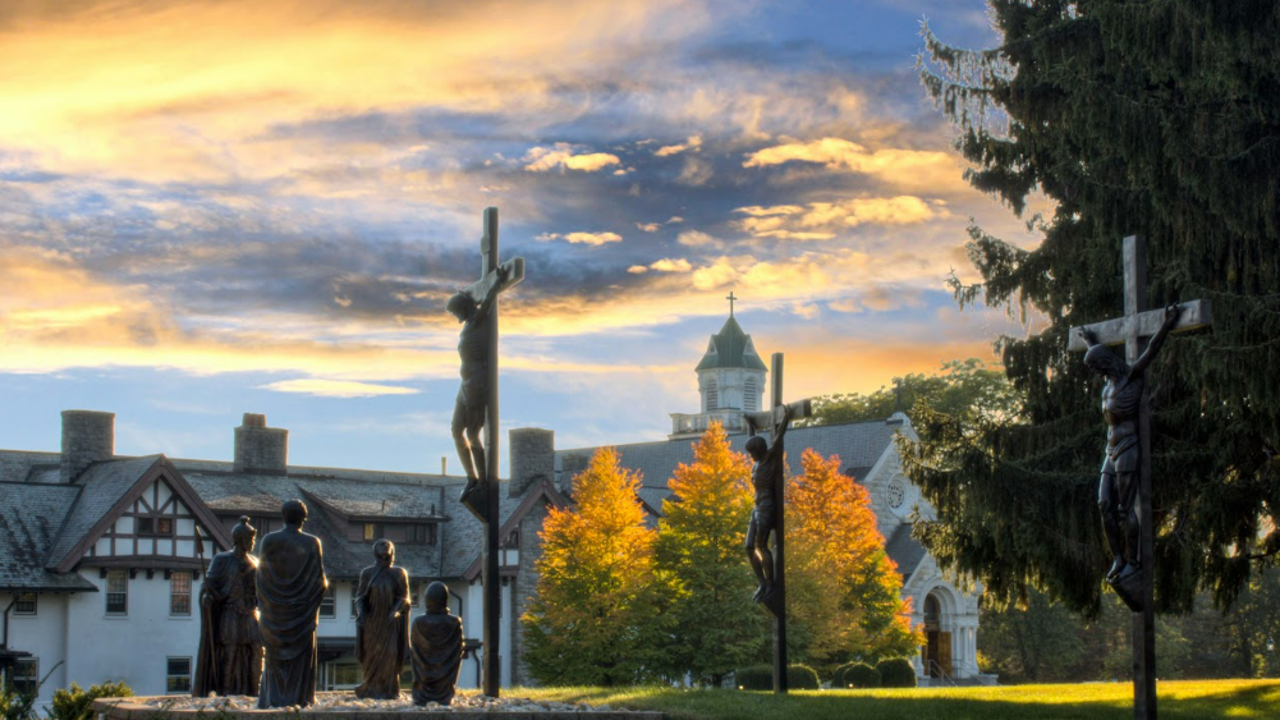
Stops on May 5 are below, left to right
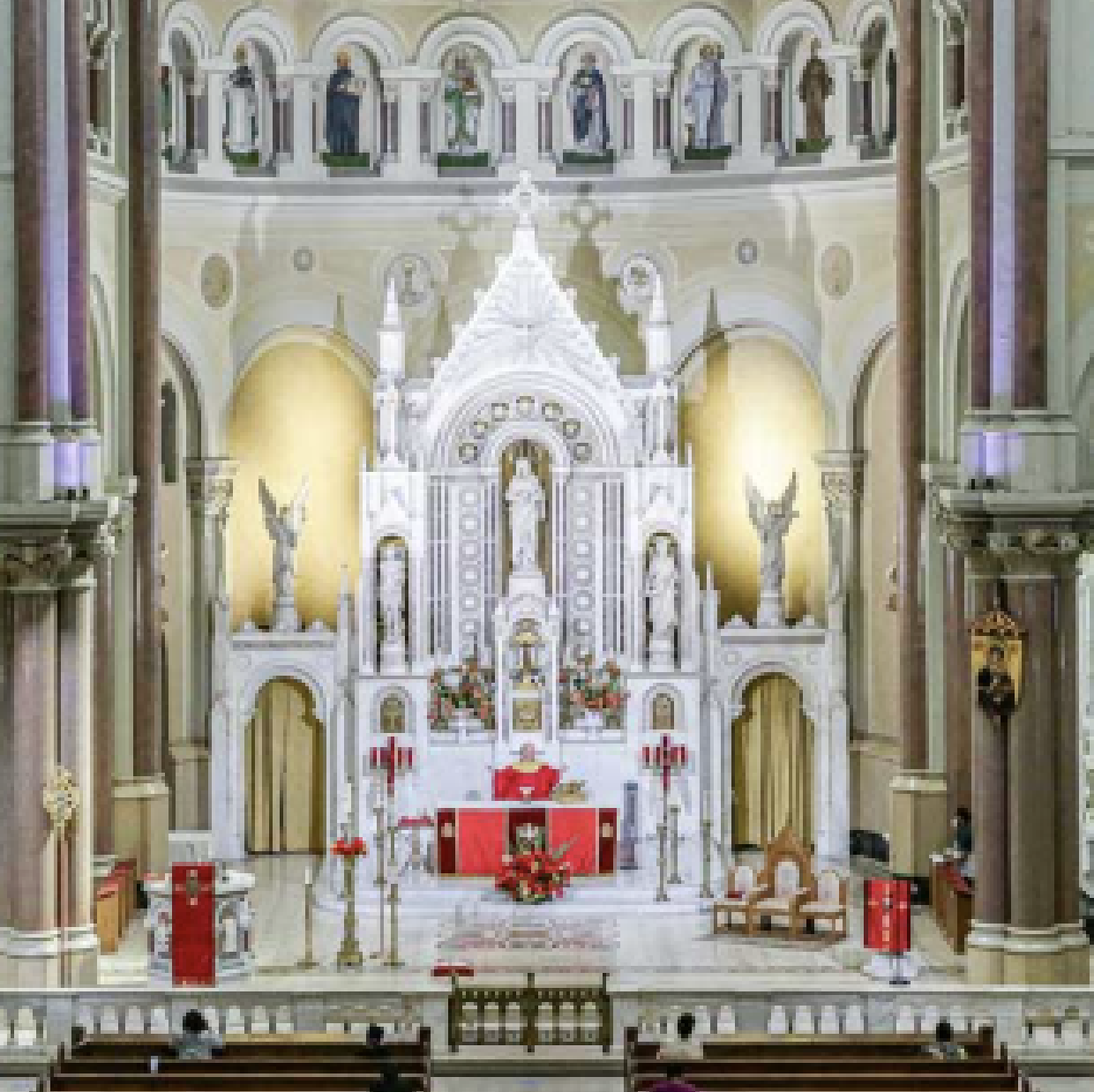
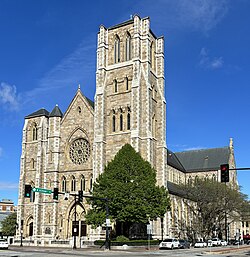
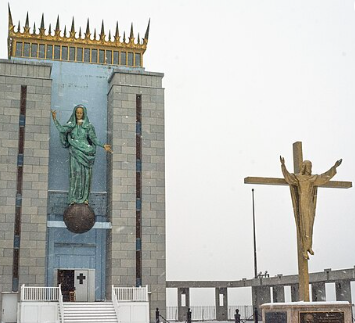
May 6
- Breakfast at Hotel
- National Shrine of Divine Marcy
- Fly Home
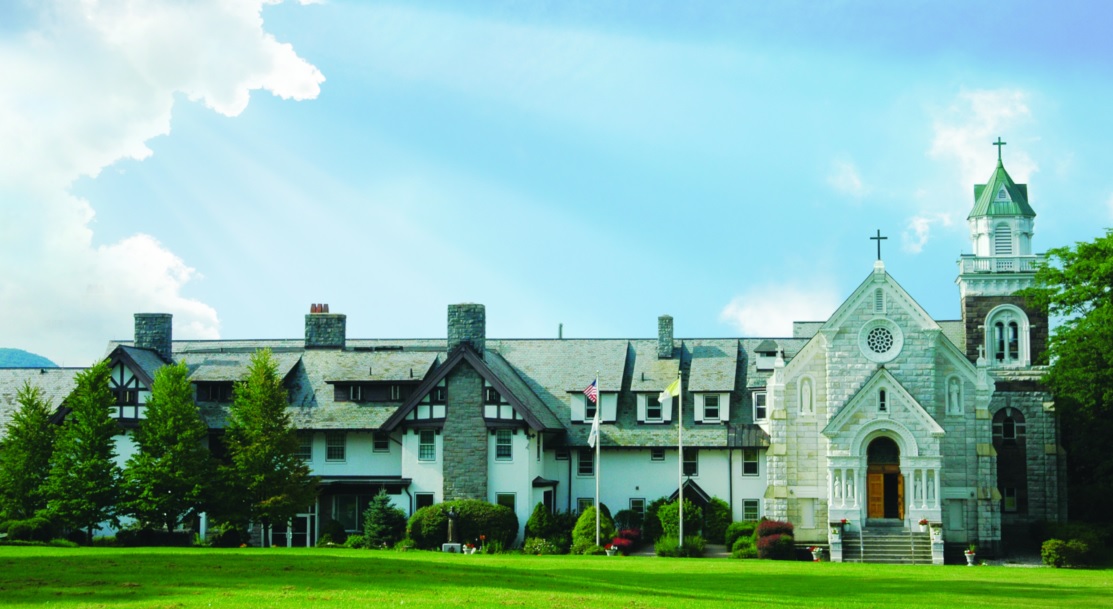
The grounds of the National Shrine consists of 375 acres of land nestled in the beautiful Berkshire hills in western Massachusetts. The name of the property is called “Eden Hill” because of its natural beauty. The Shrine is usually open 365 days a year, including all holidays and holy days.
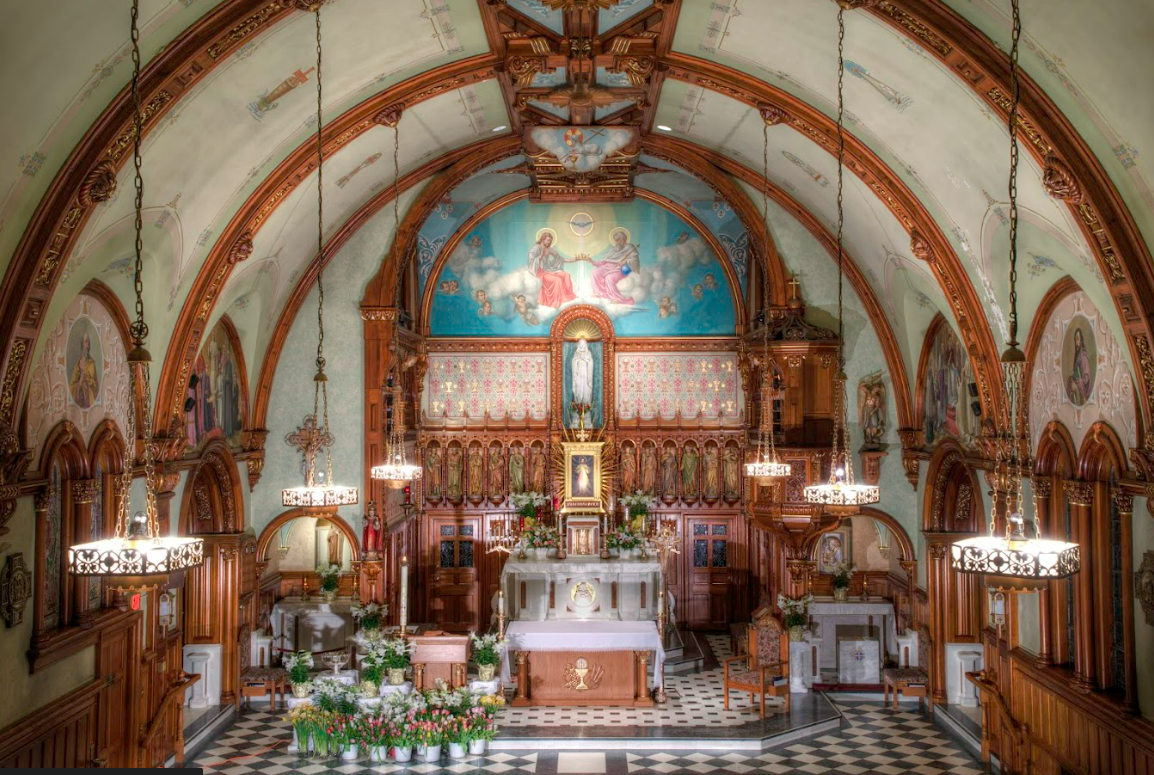
On the grounds of Eden Hill, please explore the National Shrine chapel itself (The “Shrine Church,”) which offers daily Mass, Confessions, Adoration, Rosary, benediction, the Chaplet of Divine Mercy, the blessing of religious articles, and a blessing with a first-class relic of St. Faustina.
Logistics
- Cost $495
- Deposit $250
- Balance due April 5
- Price based on double occupancy, single occupancy is an $85 additional cost
- Price Includes includes airfare, meals, hotels and bus plus tips and donations to all shrines